Home/Hair Restoration & Transplant Surgery
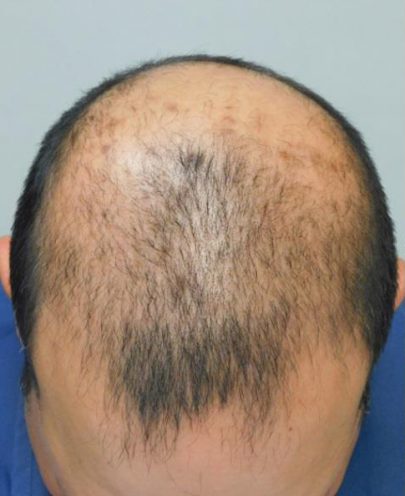
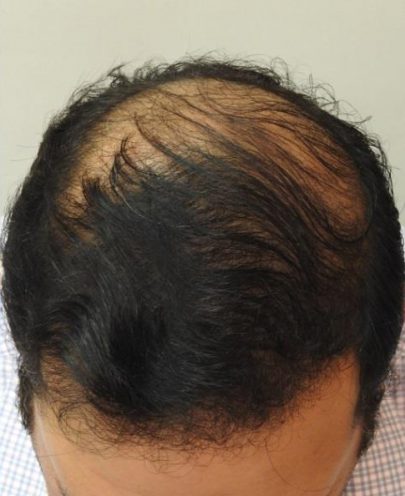
Dr. Houssock understands the dramatic impact that hair loss can have on personal appearance and self-esteem. Our society often correlates the presence of hair with youth, vitality, and health. Regardless of the amount of hair that you have lost or your individual requirements, our office offers several hair transplant solutions to address your specific needs.
Learn more about the hair restoration and hair transplant options available at our practice by exploring the sections below, or simply contact us today to book a consultation.
Why Choose Dr. Houssock for Hair Restoration?
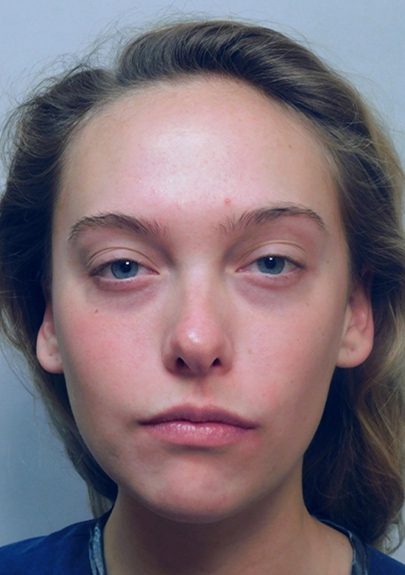
 Dr. Carrie Houssock has a true passion for helping men and women regain confidence in their appearance through hair restoration. At JEV Plastic Surgery & Medical Aesthetics, Dr. Houssock and her team provide state-of-the-art, customized hair restoration procedures that are designed to deliver natural-looking results that affirm masculine and feminine characteristics for patients of all ethnicities and gender identities. Dr. Houssock is experienced and highly trained in performing a variety of hair transplant techniques and non-surgical hair restoration treatments that can yield thicker, fuller hair coverage, as well as soft, blended hairlines. Following her residency, Dr. Houssock became an associate of internationally renowned plastic surgeon and hair restoration specialist James E. Vogel, MD, FACS and furthered her skills under his expert guidance and professional encouragement. Together, Dr. Houssock and Dr. Vogel pioneered award-winning research in hair restoration and continued to make measurable strides in improving the quality of patients’ outcomes. Now, as the lead plastic surgeon and medical director of JEV Plastic Surgery & Medical Aesthetics, Dr. Houssock carries on the decades-long legacy of success that Dr. Vogel established, and enthusiastically presses forward with advancing and evolving the practice’s innovative approaches to hair restoration.
When patients choose Dr. Houssock for hair restoration and transplant procedures, they can rest assured they have selected one of the Baltimore area’s top practitioners. Dr. Houssock’s success is the result of several important factors:
- A thorough approach to evaluating each patient for candidacy. This process can lead to an accurate diagnosis of the patient’s hair loss and a comprehensive assessment of his or her needs and goals, which enables Dr. Houssock to recommend the most effective and suitable treatment(s).
- Advanced skill and experience in successfully designing and performing a wide variety of both non-surgical and surgical hair restoration procedures. Using these techniques, Dr. Houssock develops highly personalized treatment plans for each patient to deliver the highest-quality results.
- The artistry and surgical skill of a plastic surgeon. As a plastic surgeon, Dr. Houssock has an artist’s eye and a surgeon’s expertise, which aid her in creating hair restoration results that look natural, are generally long-lasting, and can enhance each patient’s overall appearance. Not all doctors who perform hair restoration are plastic surgeons, and patients benefit from Dr. Houssock’s extensive training and experience in both fields.
- A reputation for success. Dr. Houssock’s reputation as a top hair restoration and transplant surgeon is founded upon recognition by her peers in the field and consistently outstanding ratings and reviews from her patients.
To find out if Dr. Houssock is the right choice for your hair restoration needs, we encourage you to schedule a consultation. During this appointment, you can meet with Dr. Houssock and learn more about the best options for achieving your goals. She will take the time to answer any questions you may have about the suggested treatments and discuss the kind of results you can expect to achieve.